

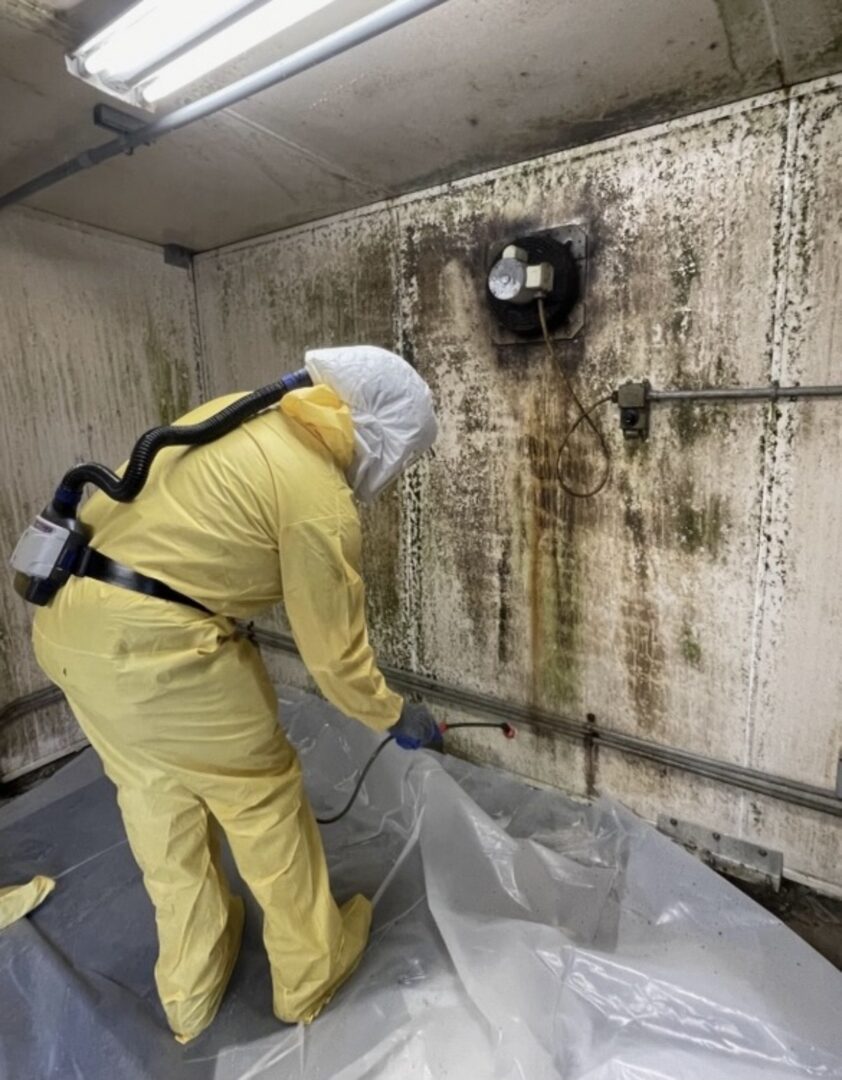
Mold After the Summer Floods: What Buckhannon Homeowners Should Check Before Winter
The storms and flooding of July 21 and 22, 2026 put water into a lot of basements, crawl spaces, and first floors across Upshur and Lewis counties. More than three months later, the water is long gone. But in many homes, the moisture isn’t.
As we head into heating season, this is a good time to take a second look. Here’s what to check, what the U.S. Environmental Protection Agency (EPA) says you can handle yourself, and when it’s time to call in a pro.
Why Mold Can Show Up Months After a Flood
The EPA puts it simply: “The key to mold control is moisture control.” The agency says it’s important to dry water-damaged areas and items within 24 to 48 hours to prevent mold growth (EPA, A Brief Guide to Mold, Moisture and Your Home).
After a big flood, that window is hard to hit. Power is out, everyone in the county needs help at once, and walls can feel dry on the surface while the insulation, framing, and subfloor behind them stay damp. That hidden dampness is where mold gets started.
Signs to Look For in Your Home
Walk through every area the water reached, including the basement, crawl space, and first floor. Watch for:
- A musty or earthy smell that doesn’t go away, especially once the heat starts running
- Spots, stains, or discoloration on drywall, baseboards, trim, or wood
- Paint bubbling or peeling, or drywall that looks warped
- Floors that feel soft or spongy, or boards that are cupping or buckling
- Drywall or insulation that got wet and was never taken out
- Condensation or a damp feel in the basement or crawl space
You don’t have to see mold for there to be a problem. If water got in and nobody checked behind the walls, it’s worth a look.
What the EPA Says You Can Clean Yourself
According to the EPA’s mold cleanup guidance and its brief guide to mold:
- Small areas. If the moldy area is less than about 10 square feet (roughly a 3-foot by 3-foot patch), in most cases you can handle the job yourself.
- Hard surfaces. Scrub mold off hard surfaces with undiluted white vinegar, and dry them completely.
- Porous materials. Absorbent materials such as ceiling tiles and carpet may have to be thrown away if they become moldy, because mold can grow into the spaces and crevices and may be difficult or impossible to remove completely.
- Protect yourself. The EPA recommends avoiding breathing in mold or spores. It suggests gloves, goggles, and an N-95 respirator, which is available at many hardware stores.
- Fix the water first. If you clean the mold but don’t fix the water problem, the mold will most likely come back.
When to Call a Professional
The EPA says to bring in more help in a few situations:
- There was a lot of water damage, or mold covers more than 10 square feet.
- The water was sewage or other contaminated water. The EPA says to call a professional with experience cleaning and fixing buildings damaged by contaminated water.
- You think your heating and cooling system may have mold in it. The EPA says not to run the HVAC system if you know or suspect it’s contaminated, because it could spread mold throughout the building. That matters right now, as furnaces kick on for the season.
- You have health concerns. The EPA says to talk to a health professional before you start cleanup.
If you hire a contractor, the EPA says to make sure they have experience with mold, check references, and ask them to follow guidelines from groups such as the Institute of Inspection, Cleaning and Restoration Certification (IICRC).
A Quick Word on Insurance and FEMA
Mold coverage varies a lot from policy to policy, and flood damage is often handled differently from water damage from something like a burst pipe. Ask your adjuster what your policy covers and what documentation they need. We work with any and all insurance companies, but we can’t tell you what your policy will pay.
The July 2026 flooding in Upshur and Lewis counties is FEMA disaster DR-4932. For the latest on FEMA help, check fema.gov/disaster/4932 or DisasterAssistance.gov, or see our Upshur and Lewis flood recovery page. We can’t answer FEMA questions or promise any FEMA outcome.
Free Flood Home Mold Check Through December 16, 2026
If your home or rental took on water this summer, Red Ridge will come out and check it for free through December 16, 2026. We’re IICRC certified. We walk every area the water reached and take moisture readings on walls, floors, and framing. You keep a PDF with the photos and readings. Homeowners, landlords, and renters are all welcome, and you don’t have to be home. Get the details on our Free Flood Home Mold Check page.
If we find mold or hidden moisture, one local crew can handle it all, from water damage drying and mold remediation through the rebuild. You won’t need to hire a second contractor.
Why Red Ridge
We’re a construction and restoration contractor based in Buckhannon, serving Upshur and Lewis counties and north central West Virginia.
- IICRC certified
- WV Contractor License #WV064509
- 24/7 emergency service
- Free inspections
- Financing available through Acorn Finance
- We work with any and all insurance companies. Learn more on our insurance claim repairs page.
Don’t Let a Summer Flood Become a Winter Mold Problem
If something smells musty, looks off, or you’re just not sure, let us take a look. Schedule a free inspection or book your free Flood Home Mold Check.
Call Red Ridge any time at (304) 439-6619, or reach us on our contact page.
This article is general information, not medical, legal, or insurance advice. EPA guidance quoted from epa.gov, accessed October 26, 2026. Insurance coverage varies by policy, so ask your adjuster about your specific coverage. Red Ridge Contracting cannot guarantee any insurance or FEMA outcome.
