

Your Property Damage Insurance Claim, Step by Step
If you’ve never filed a property damage claim, it can feel like a lot at once. Here’s how it usually goes from the homeowner’s side, and where Red Ridge Contracting fits in. Every policy and every insurance company is a little different, so treat this as a guide and check the details with your agent.
We work with any and all insurance companies. IICRC certified · WV Contractor License #WV064509. Damage happening now? Call 24/7: (304) 439-6619. Available 24/7, on site in 120 minutes or less across north central WV.
Step 1: Get Safe and Stop the Damage
- If there’s standing water near outlets or appliances, a gas smell, or a sagging ceiling, stay out and call for help.
- Shut off the water at the main valve if a pipe has burst. If you can safely reach the electrical panel without standing in water, turn off power to wet areas.
- Call us for emergency help. We can extract water, set up drying, board up openings and put emergency tarps over roof openings. On a burst pipe, we make temporary fixes to stop the damage until a licensed plumber can assess it and make the permanent repair.
Most policies expect you to take reasonable steps to keep the damage from getting worse, so don’t wait on the adjuster to stop an active leak.
Step 2: Take Photos and Video Before Cleanup
Before anything gets moved or thrown away, photograph every affected room, the water line on the walls, damaged belongings, and the outside of the house. Keep receipts for anything you spend, such as supplies, hotel stays or meals while you’re out of the house. Write down who you talk to and when.
Step 3: Report the Claim
Call your insurance company or agent to report the damage. Ask for:
- Your claim number
- Your adjuster’s name and contact information
- What your policy covers for this kind of damage, and what your deductible is
- Whether they need anything from you before repairs begin
Good to know: rising floodwater is usually covered by flood insurance, not a standard homeowners policy. A sudden burst pipe or wind damage is often handled under homeowners coverage. Sewer backups are sometimes covered only with an add-on. Your agent can tell you what applies.
Step 4: Free Inspection and Documentation
We’ll come out and inspect the damage at no charge. During the job we take photos and moisture readings, which give you a clear record of what happened and how far the water or smoke spread. Request a free inspection.
Step 5: The Adjuster Visit
Your insurance company will usually send an adjuster to look at the damage. We’ll meet with your adjuster when needed and share our photos, moisture readings and scope of work. Your insurance company makes the coverage decisions. We can’t promise what they’ll pay, but we’ll keep the information clear and organized.
Step 6: The Scope of Work
We write up what needs to be removed, dried, cleaned and rebuilt. If the adjuster’s estimate and our scope don’t line up, we can go over the differences with you and your adjuster.
Step 7: Billing and Your Deductible
Billing varies from job to job, so we’ll talk through how payment works for your job before we start. Your deductible is part of your policy, and we don’t waive it. If you have out-of-pocket costs, such as your deductible or work your policy doesn’t cover, financing is available through Acorn Finance.
Step 8: Drying, Cleanup and Repairs
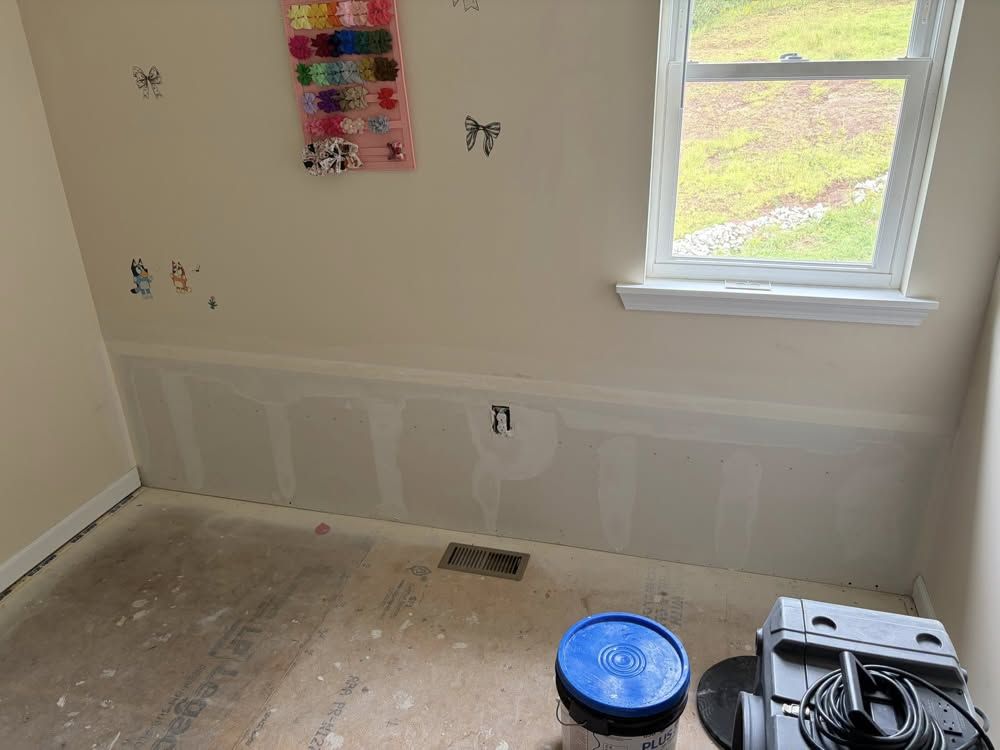
Once the structure is dry, we handle the rebuild: drywall, flooring, trim, cabinets, paint and the rest. Because we’re also a general contractor, you don’t have to find a second company to finish the job. If something can’t be saved, we can handle demolition and haul debris with our 16-yard roll-off dumpsters.
Step 9: Final Walkthrough and Closing Out the Claim
We walk through the finished work with you. Keep copies of your photos, receipts, estimates and invoices until your claim is fully closed.
Common Questions
Do I have to use the contractor my insurance company suggests?
Generally, you can choose your own contractor. Check your policy or ask your insurer if you’re not sure. We work with any and all insurance companies.
Should I wait for the adjuster before calling a contractor?
Report the claim, but don’t wait to stop active damage. Take photos first, then call for emergency help.
Will insurance cover all of it?
That depends on your policy and your insurance company’s decision. No contractor can promise a claim outcome.
What if I’m not filing a claim?
That’s fine. We do the same work for customers paying directly. Inspections are free, and financing is available through Acorn Finance.
What about FEMA?
After a federally declared disaster, FEMA may help with eligible needs your insurance doesn’t cover. File with your insurer first. FEMA doesn’t charge a fee to apply.
Related Pages
- Insurance Claim Repairs
- Verify Before You Hire
- Water Damage Restoration
- Storm Damage Repair
- Fire & Smoke Damage Restoration
- 24/7 Emergency Response
Call or text (304) 439-6619 any time, email service@redridgewv.com, or request a free inspection.